Proven in Hartlepool. Now building across the Tees Valley.
Community wealth building is a simple idea: keep more of the money, jobs and decisions that belong to a place inside that place.
The problem
Money arrives in this town every day. It just doesn't stay.
It leaves through national chains, distant suppliers and head offices, and the people who generated it see the least of it.
We started changing that in Hartlepool. We mapped the local economy with CLES, looked at where the big local organisations spend, and began moving that spend towards local suppliers. Where an audit exposes a gap, we help a new enterprise fill it. And we built Graft, so people can put time and skills back into the town and be rewarded for spending local.
Now we are taking the model across the Tees Valley, starting in Saltburn, a rural and tourism economy where the job is connecting local farmers and producers into local supply chains. This is community-driven enterprise and regeneration, led by the people it is for.
Top 5
English local authorities for the share of neighbourhoods in the most-deprived 10% (2025)
£1.5bn+
economic output (GVA) in Hartlepool, 2023
0.6
jobs per working-age resident, against 0.9 nationally
5% → 18%
of anchor spend kept local in Preston, the model we build on
Community wealth building is a simple idea with big results: when local anchor institutions, councils, hospitals, colleges, big employers, spend more of their budgets with local suppliers, money circulates in the community instead of leaking out. Local firms grow, local people are employed, and wealth is rebuilt from the ground up.
The evidence is real: in Preston, the share of anchor institutions' spend going to local suppliers rose from 5% to 18.2% between 2012/13 and 2016/17, an extra £74m staying in the city (CLES). The Hartlepool Model applies that thinking here, mapping where the money goes, and helping more of it stay.
Impact so far
Community-driven enterprise and regeneration
What the Hartlepool Model has already delivered: research, a new local business, skills and practical projects that keep money, jobs and decisions local.
21
free supply-chain audits for local businesses since December 2025
12
apprenticeships taken on by 8 local businesses and traders
19
people gained a Level 2 Food Hygiene qualification
£130k+
of spend moved to local suppliers, including the bakery and local butchers
Figures from MATCH Tees Valley's own records.
Economic mapping
The local economy, mapped with CLES
We wrote the Hartlepool Model in 2019 and refreshed it for 2026, working with CLES, the Centre for Local Economic Strategies. Read the research.
New local enterprise
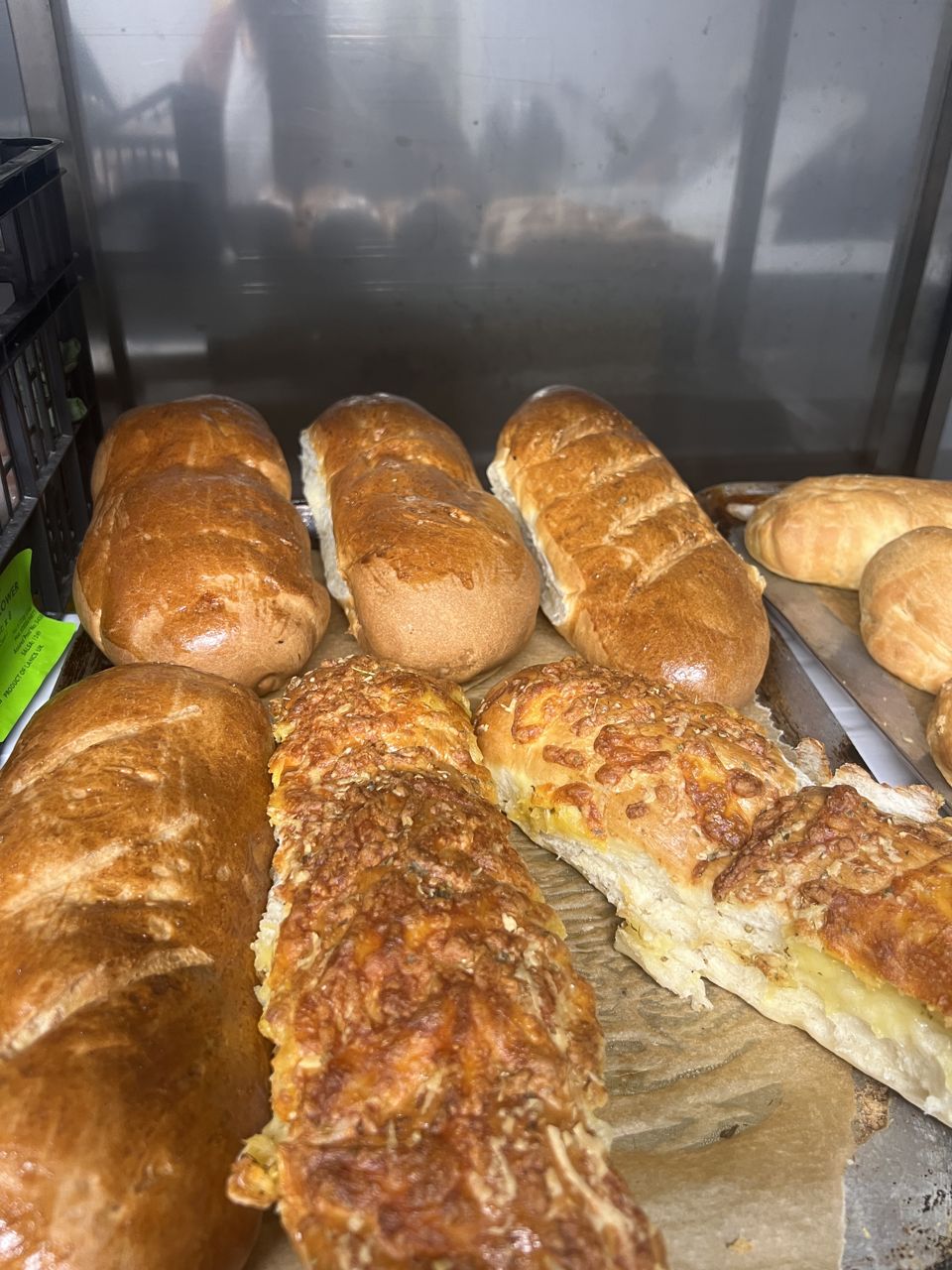
A bakery from a gap in the market
Our analysis found no independent local bakers. The bakery we helped start now has 6 regular clients, over £80k a year turnover and 1 full-time job. See the case study.
Business skills
Skills, courses and apprenticeships
Well-attended AI and business skills courses for local businesses, delivered with the council's enterprise team, plus 12 apprenticeships taken on by local firms and 19 Level 2 Food Hygiene qualifications through our community cookery sessions.
Food and volunteering
Keeping value circulating
The Good Food Project turns local surplus into around 50 meals a week, and Graft connects local people with volunteering, learning and enterprise.
What we do about it
From research to real change
Research & evidence
Mapping the local economy
We research the Tees Valley economy with CLES, the national experts on community wealth building, turning data into a clear picture of where value leaks and where it could stay.
Supply-chain audits
Helping business buy local
We give local businesses a free supply-chain audit, showing where they could switch spend to local suppliers, and connecting them up. 21 businesses have had one since December 2025, and more than £130k of spend has moved to local suppliers, including the new bakery and local butchers.
We deliver seminars and workshops to small businesses across the Tees Valley, practical sessions on buying local, growing sustainably and building resilience.
Convening & voice
A credible local voice
We bring people together and represent community wealth building in the conversations that matter, Pride in Place, Freeport and the Town Deal.
Case study
A bakery, built from a gap in the market
Our analysis of the local hospitality sector showed something simple but telling: the area had no independent local bakers supplying its cafes, venues and kitchens. So we helped establish one.
Today that bakery supplies six regular clients, turns over more than £80k a year, and has created a full-time job, keeping the spend, the skills and the work right here in the Tees Valley.
6
regular clients supplied
£80k+
annual turnover
1
full-time job created
Seminars in action
Working directly with local businesses
Free supply-chain audit
Buy more of what you need, locally
Tell us a little about your business and we'll get in touch to arrange your free supply-chain audit, showing where you could switch spend to local suppliers.
Read the research
Two documents set out the data and the case for community wealth building in the Tees Valley: our own economic model, and the independent case made by CLES, the national experts.